
In the world of proper nouns and place names, capitalization might seem like a small detail—but sometimes, small details hold big meaning. One such example is the phrase “lake texoma should be capitalized.” At first glance, it may seem like a basic grammar correction, but dig a little deeper, and you’ll discover a conversation rooted in identity, respect, and digital relevance.
In this article, we explore why “Lake Texoma should be capitalized”—not just in grammar books, but in online content, travel blogs, and even social media. It’s a topic that blends language rules with local pride and SEO strategy, proving that capitalization is about more than just uppercase letters.
Understanding the Grammar Behind It
Let’s start with the basics. English grammar rules dictate that proper nouns must be capitalized. This includes names of people, specific places, and unique landmarks. So by definition:
- ✅ Lake Texoma = Correct
- ❌ lake texoma = Incorrect
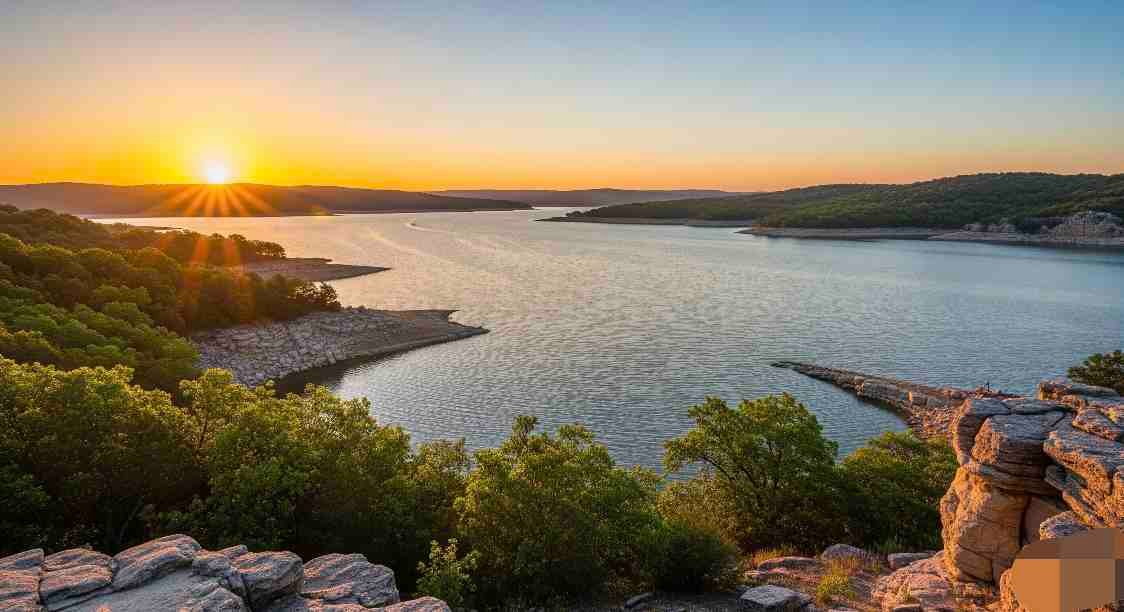
The name “Lake Texoma” refers to a specific reservoir on the border of Texas and Oklahoma. It’s not just a generic body of water—it’s a recognized geographical location, which makes it a proper noun.
So, why does the phrase “lake texoma should be capitalized” matter?
Because when people type it into Google, they’re often looking for reassurance: “Am I writing this correctly? Is it important?” The answer is a clear and confident yes—capitalization matters, and in this case, it’s both a grammar issue and a sign of respect.
Beyond Grammar: A Matter of Local Pride
For locals and frequent visitors, Lake Texoma is more than a name—it’s a destination, a memory, a source of pride. It represents fishing weekends, camping trips, boating adventures, and family getaways. It’s an identity marker for communities across north Texas and southern Oklahoma.
When we lowercase a name like “lake texoma,” we unintentionally strip it of that significance. We reduce a beloved regional landmark to something ordinary, even generic. That’s why it’s important to remember that Lake Texoma should be capitalized—to preserve the identity and value attached to it.
This may seem like a small point, but when you’re from the area or deeply connected to the lake, it can feel personal. Using the correct name shows you care enough to get it right.
Digital Relevance: SEO and Professionalism
In today’s world, how you write things online matters—not just to people, but to algorithms. Whether you’re writing a blog post, travel article, or business listing, search engines take cues from your grammar and formatting.
Here’s why the keyword “lake texoma should be capitalized” is important in the world of SEO:
- It’s a long-tail keyword — meaning it’s specific, less competitive, and highly targeted.
- It signals topical relevance to both users and search engines.
- It improves credibility — well-written content is more likely to be trusted and ranked higher.
Let’s say you run a travel site or local guide. If someone searches “lake texoma should be capitalized” and lands on your page, they’re not just looking for grammar tips—they want accurate, trustworthy content. When you deliver that, both Google and your audience take notice.
Examples Matter: How You Use the Name Reflects Your Brand
Consider this scenario:
You’re writing a blog post about weekend getaways in the Southwest, and you type:
“Take a relaxing trip to lake texoma, enjoy the views, and unwind by the water.”
Now read this:
“Take a relaxing trip to Lake Texoma, enjoy the views, and unwind by the water.”
The second version looks more polished, reads more professionally, and builds trust with your audience. People notice when names are written correctly—especially locals or those familiar with the area. It’s a small tweak that can significantly elevate your brand and content quality.
And let’s not forget, Lake Texoma should be capitalized not just for grammar nerds, but for the people who live, work, and relax around it.
Final Thoughts: Respect the Name, Respect the Place
To some, the idea that “lake texoma should be capitalized” might sound overly specific or even trivial. But when you look closely, it represents something much larger.
- It’s about following the rules of language that help us communicate clearly.
- It’s about showing respect to a place that holds real value to many people.
- And it’s about enhancing your digital presence with correct, authoritative content.
Whether you’re a writer, business owner, traveler, or local resident, paying attention to details like this can go a long way. Capitalizing Lake Texoma is more than just hitting the shift key—it’s about honoring the meaning behind the name.
So the next time you’re writing about this iconic lake, remember: Lake Texoma should be capitalized—always.


